AI-Assisted Sewer Analysis
Artificial intelligence is changing the way the wastewater industry approaches sewer inspection and condition assessment. As AI-assisted analysis and automated defect recognition become increasingly common, sewer inspection professionals need software that can adapt to evolving workflows.
Artificial intelligence is no longer a distant concept for the wastewater industry. It is becoming part of the conversation around how sewer inspection data is collected, evaluated, and put to work.
For decades, CCTV sewer inspection has been a foundation of sewer condition assessment. Operators capture detailed video footage, document observations, and record the condition of underground assets. Those inspections generate enormous amounts of valuable data that can be used for condition assessment, rehabilitation planning, and long-term asset management.
Now, AI-assisted sewer inspection and automated defect recognition (ADR) are emerging as tools for analyzing that information more efficiently.
NASSCO recognizes artificial intelligence and machine learning as part of the industry’s evolving toolbox. Its guidance on automated defect recognition also emphasizes the importance of quality inspection imagery, standardized data, and quality control. NASSCO currently describes ADR as an assisted approach and notes that the quality and diversity of inspection imagery can affect how consistently automated systems recognize defects.
That evolution raises an important question for sewer inspection professionals:
Is Your Sewer Inspection Software Ready for AI?
As AI-assisted workflows become more prevalent, the software supporting the inspection process becomes increasingly important.
AI may change how inspection footage and data are analyzed, but the inspection workflow still depends on high-quality video, reliable data, flexible data exchange, and effective review tools. The software needs to accommodate changing requirements without forcing operators to completely rethink the way they work.
That’s where an AI-capable sewer analysis platform can make a difference.
IKAS evolution is designed to support the evolving needs of sewer inspection—from data collection and analysis to data exchange, review, and reporting.
Keep Inspection Video Flexible With Data Overlays
One consideration in modern sewer inspection is how inspection information is incorporated into the video itself.
IKAS evolution provides flexible options for data overlays, including the ability to separate inspection data from the underlying video. This allows operators to maintain a clean version of inspection footage without permanently embedding text and inspection information into the image.
That flexibility can be particularly valuable as inspection footage moves through different analysis workflows.
The inspection data can also be combined with the video when a complete inspection deliverable is required. IKAS evolution’s temporary data insertion functionality allows information to be added, corrected, or updated after the original recording, helping operators maintain control over the final presentation of inspection footage.
Flexible Data Exchange for Evolving Workflows
Today’s sewer inspection process doesn’t always end when the camera leaves the pipe.
Inspection footage and data may move between different software platforms, contractors, clients, analysis tools, and asset management systems. As AI-assisted analysis becomes another part of that ecosystem, data interoperability and flexible import/export capabilities become increasingly important.
IKAS evolution supports a broad range of sewer data interfaces and provides configurable import and export capabilities, including Shape and CSV data as well as common sewer inspection formats such as PACP, CEN 13508-2, WRc, DWA formats, and others.
This flexibility helps inspection professionals work with the data they already have while remaining prepared for changing requirements and new technologies.
AI-Assisted Analysis Still Needs Human Review
As automated defect recognition continues to develop, the role of the inspection professional remains important.
AI-assisted inspection can help process large amounts of CCTV inspection footage, but reviewing the resulting inspection data remains an important part of maintaining quality and consistency. NASSCO’s current guidance specifically describes ADR as an assisted approach in which certified individuals confirm and augment automated evaluations.
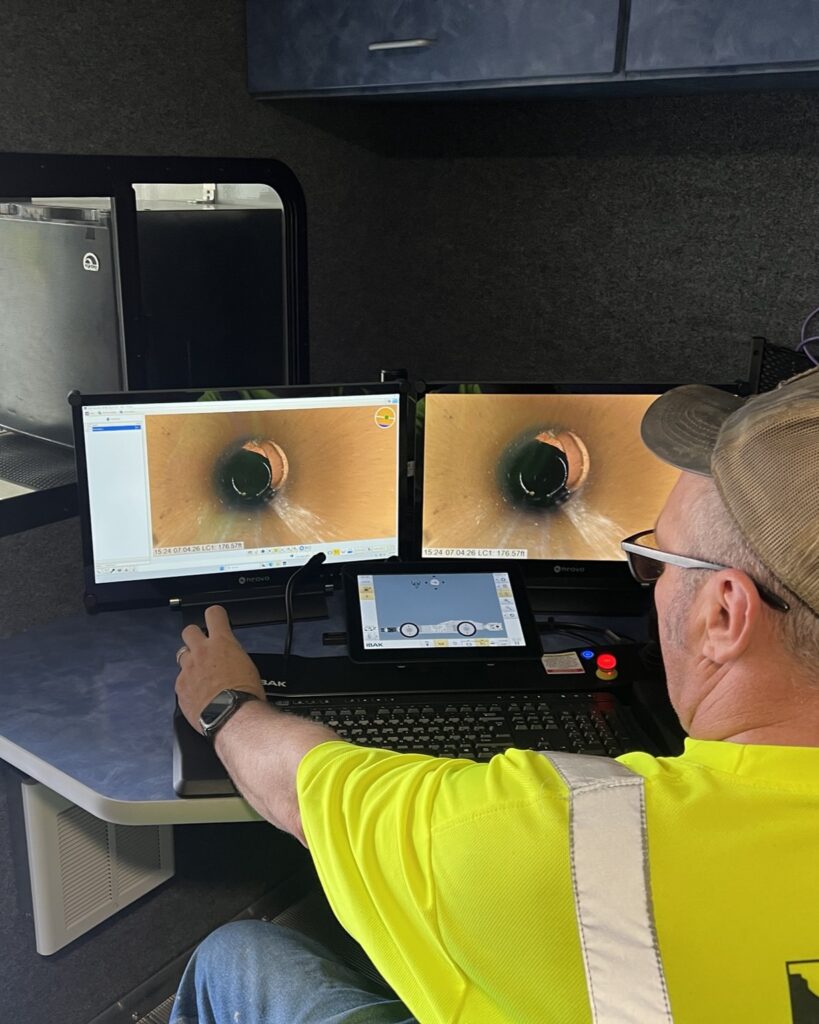
IKAS evolution provides tools that make reviewing and editing inspection information straightforward. Operators can review coded inspection footage, verify observations, and make necessary adjustments efficiently before producing the final inspection results.
That combination of technology and operator oversight provides a practical foundation for incorporating new analysis capabilities without losing control of the inspection data.
Preparing for the Future of Sewer Inspection
The future of sewer inspection won’t be defined by a single piece of technology. CCTV cameras, inspection software, data standards, artificial intelligence, automated defect recognition, and experienced operators all play a role in turning inspection footage into useful information.
The important question is whether the software at the center of that process can evolve alongside the industry.
For sewer contractors, municipalities, engineers, and inspection professionals, preparing for AI doesn’t necessarily mean replacing an established workflow. It means having the inspection software, data, and processes necessary to take advantage of new capabilities as they become available.
AI is changing sewer inspection. Make sure your workflow is ready for what’s next.
FAQs
What is AI sewer inspection?
AI sewer inspection uses artificial intelligence and machine learning to help analyze CCTV sewer inspection footage and identify pipe conditions, defects, and other observations. AI-assisted tools can help streamline the evaluation of large volumes of inspection footage while supporting more consistent sewer condition assessment.
What is Automated Defect Recognition (ADR)?
Automated Defect Recognition, or ADR, uses machine learning to identify and classify defects or observations found in sewer inspection footage. ADR can assist with the traditionally manual process of reviewing CCTV video and coding pipe conditions. NASSCO currently treats ADR as an assisted solution, with qualified personnel responsible for confirming and supplementing the results.
How is AI used in CCTV sewer inspection?
AI can analyze CCTV sewer inspection footage to help detect and classify pipe conditions and defects. This can reduce the amount of manual analysis required, improve consistency, and make it more practical to evaluate large volumes of new or existing inspection data. AI-assisted results can then be reviewed and incorporated into the completed inspection report.
Can AI automatically code sewer defects?
Yes. AI and Automated Defect Recognition systems can identify and classify sewer defects using established coding systems. However, AI should currently be viewed as an assistive tool rather than a replacement for qualified inspection personnel. NASSCO notes that ADR evaluations should be confirmed and augmented by certified individuals, and NASSCO does not currently certify ADR software itself.
Why is video quality important for AI sewer inspection?
AI analysis is only as effective as the inspection data it receives. Clear, high-quality CCTV footage gives machine-learning systems better visual information for identifying pipe conditions and defects. NASSCO specifically notes that better-quality video and more diverse imagery can improve the ability of machine-learning systems to consistently recognize a broader range of defects.
What should sewer inspection software provide for AI-assisted workflows?
Software designed for modern AI-assisted sewer inspection workflows should make it easy to capture high-quality inspection data, manage CCTV footage, exchange data between systems, review coded inspections, and make corrections when necessary. Flexible import/export capabilities and standardized data formats are especially important as inspection information moves through different stages of collection, analysis, review, and final reporting.