Understanding Video Pipe Inspections
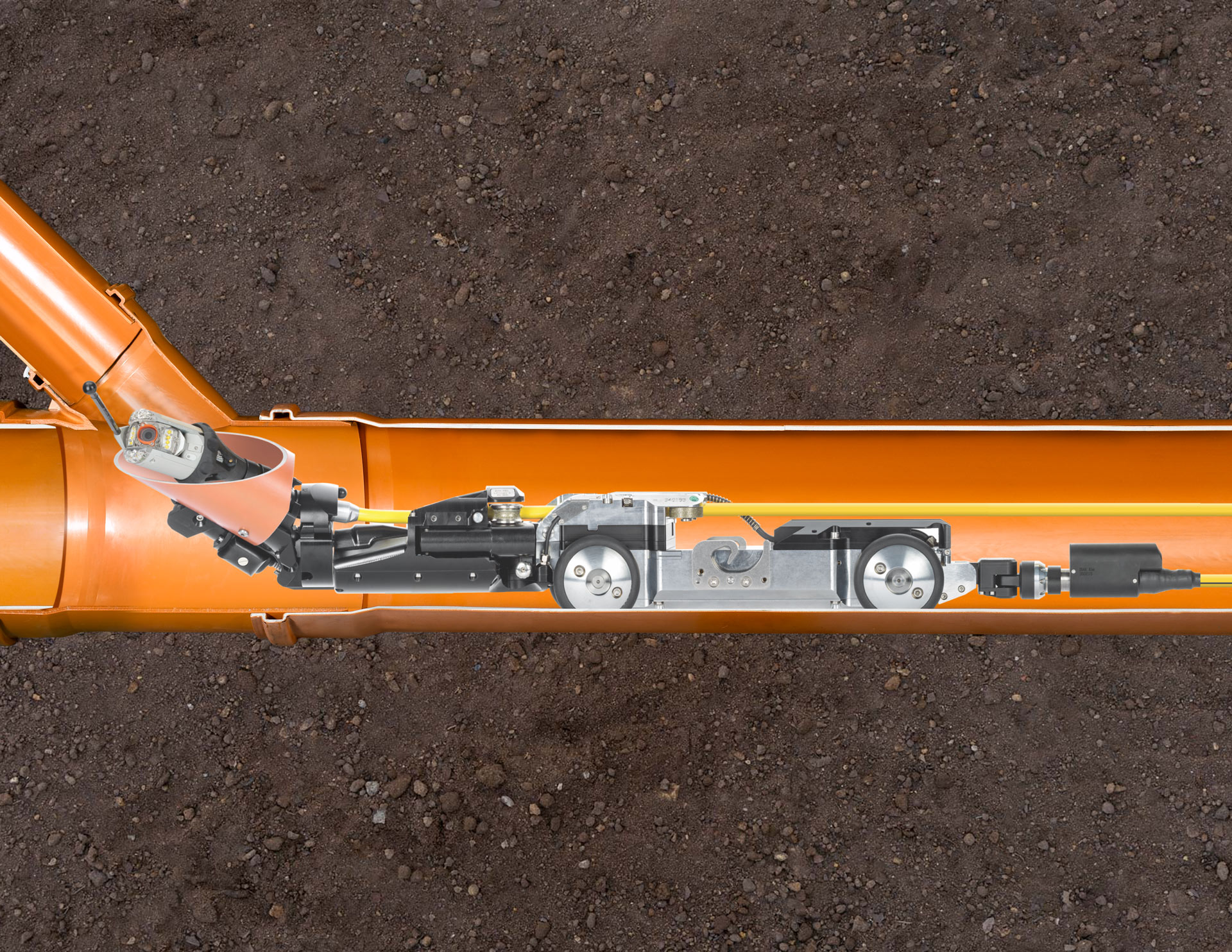
A video pipe inspection (also known as CCTV pipe inspection) is a non-invasive method used to assess the condition of underground sewer lines, storm drains, and drainage systems. This process utilizes a specialized pipe inspection camera to visually inspect pipes for damage, blockages, or deterioration—without the need for digging or excavation. Municipalities, contractors, and plumbing professionals rely on video pipe inspections to maintain infrastructure efficiently and cost-effectively.
What is a Pipe Inspection Camera?
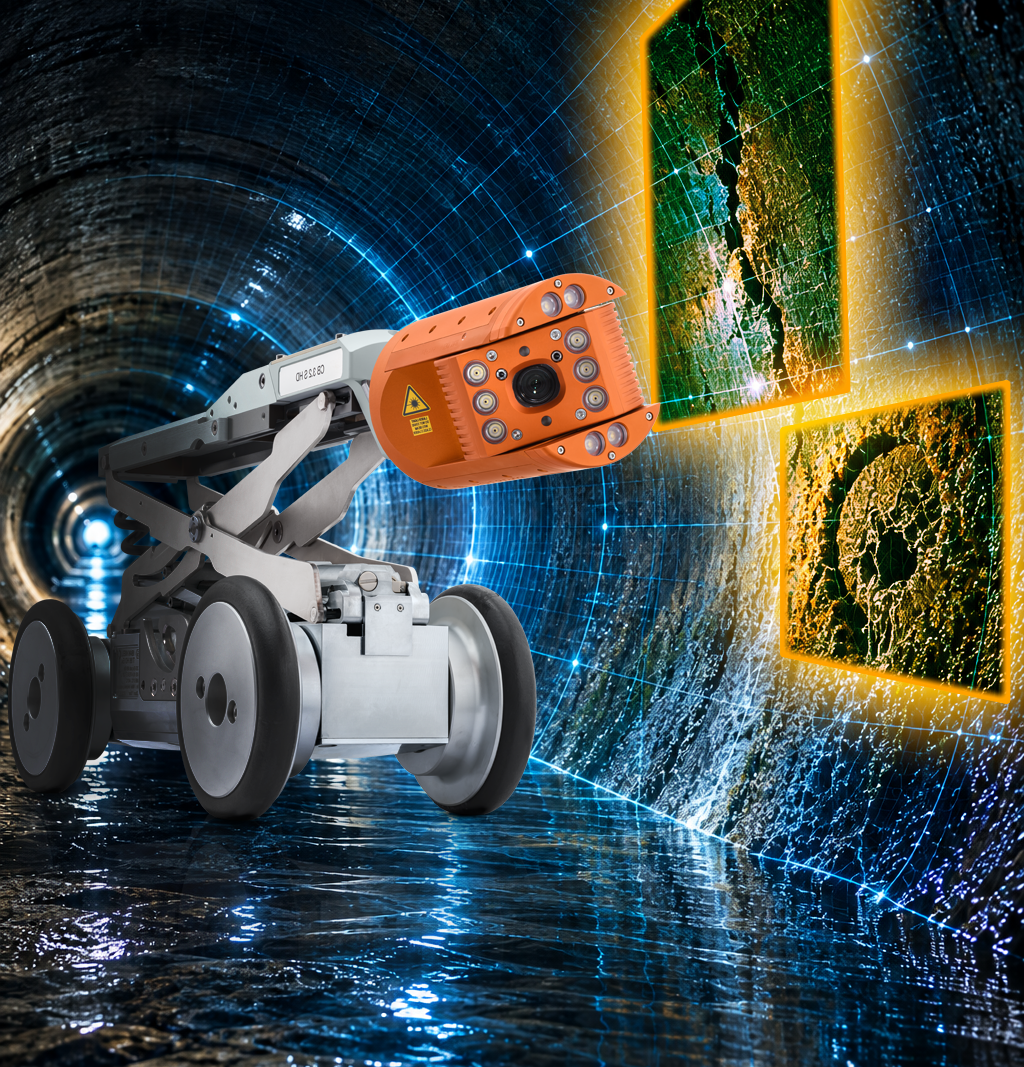
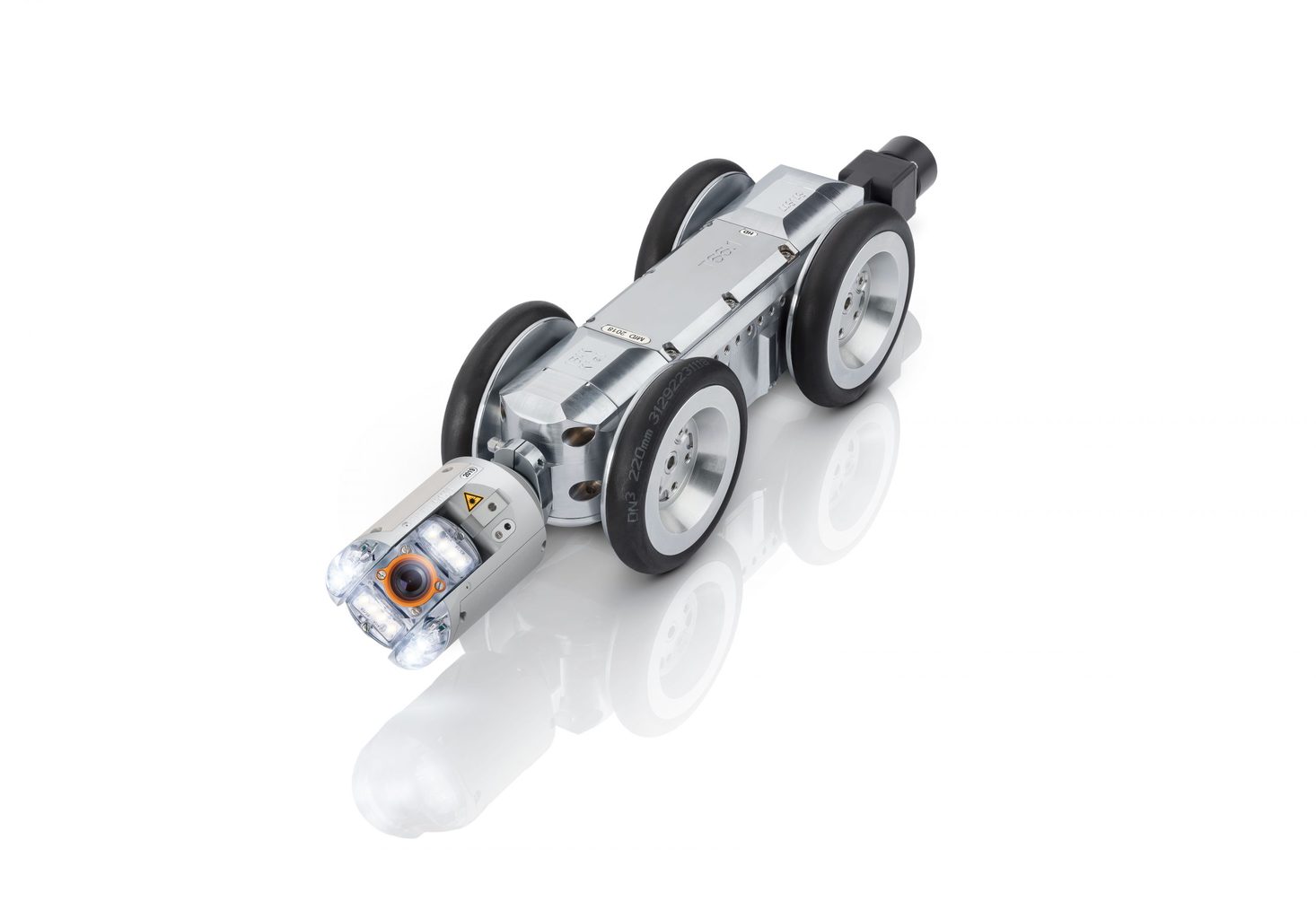
A pipe inspection camera is a water-proof camera mounted on a robotic crawler or push rod cable, designed to navigate through pipes of varying sizes. These cameras capture real-time footage, enabling operators to detect issues such as:
- Cracks or fractures in the pipe
- Root intrusions from nearby trees
- Blockages caused by debris or grease buildup
- Pipe misalignment due to ground shifting
- Corrosion and wear from age and chemical exposure
Modern pipe inspection cameras feature pan-and-tilt functionality, powerful LED lighting, and HD recording capabilities for precise and accurate analysis.
Why is Video Pipe Inspection Important?
- Preventative Maintenance – Regular inspections help detect minor issues before they escalate into costly repairs. Identifying cracks or root intrusions early can prevent complete pipe failure.
- Accurate Diagnoses – Video inspections provide clear, real-time visuals of the pipe’s interior condition, allowing for precise maintenance and repair planning.
- Compliance & Documentation – Municipalities and contractors must adhere to industry regulations. A recorded video inspection with appropriate PACP/LACP/MACP coding serves as essential documentation for compliance and reporting.
- Property Protection – Homeowners and businesses benefit from video inspections to assess plumbing conditions or diagnose drainage issues before purchasing a property or scheduling major repairs.

How Often Should You Inspect Pipelines?
The frequency of video pipe inspections depends on factors such as pipe material, age, and environmental conditions. However, municipalities and commercial properties should conduct inspections annually (biennially at minimum), while homeowners should schedule inspections every few years or if they experience drainage problems.
Final Thoughts
A video pipe inspection is an essential tool for maintaining underground pipelines. Whether you’re a contractor, municipal worker, or property owner, understanding the benefits of video inspections can help you avoid costly repairs and ensure efficient infrastructure management.