Sewer Lateral Inspection
When a homeowner calls about a backed-up drain or a municipality investigates a sewer overflow, the pipe that connects the property to the main sewer line (also known as the sewer lateral) is often the source of the problem. Despite their importance, sewer laterals have historically been one of the hardest parts of the collection system to inspect. Lateral launch technology changes that.
Let’s breaks down what lateral launch inspection is, how it works, and why it matters for municipalities, utility managers, and anyone responsible for maintaining a healthy sewer system.
What Is a Sewer Lateral?
A sewer lateral is the privately owned pipe that runs from a home or building to the public sewer main in the street. Every connected property has one. While the municipal main is the city’s responsibility, the lateral is typically the property owner’s responsibility, at least from the building to the property line.
These pipes are often older, smaller in diameter than the main, and more susceptible to root intrusion, joint failure, and physical damage. Because they’re underground, problems frequently go undetected until they cause a visible issue above ground.
What Is Lateral Launch Technology?
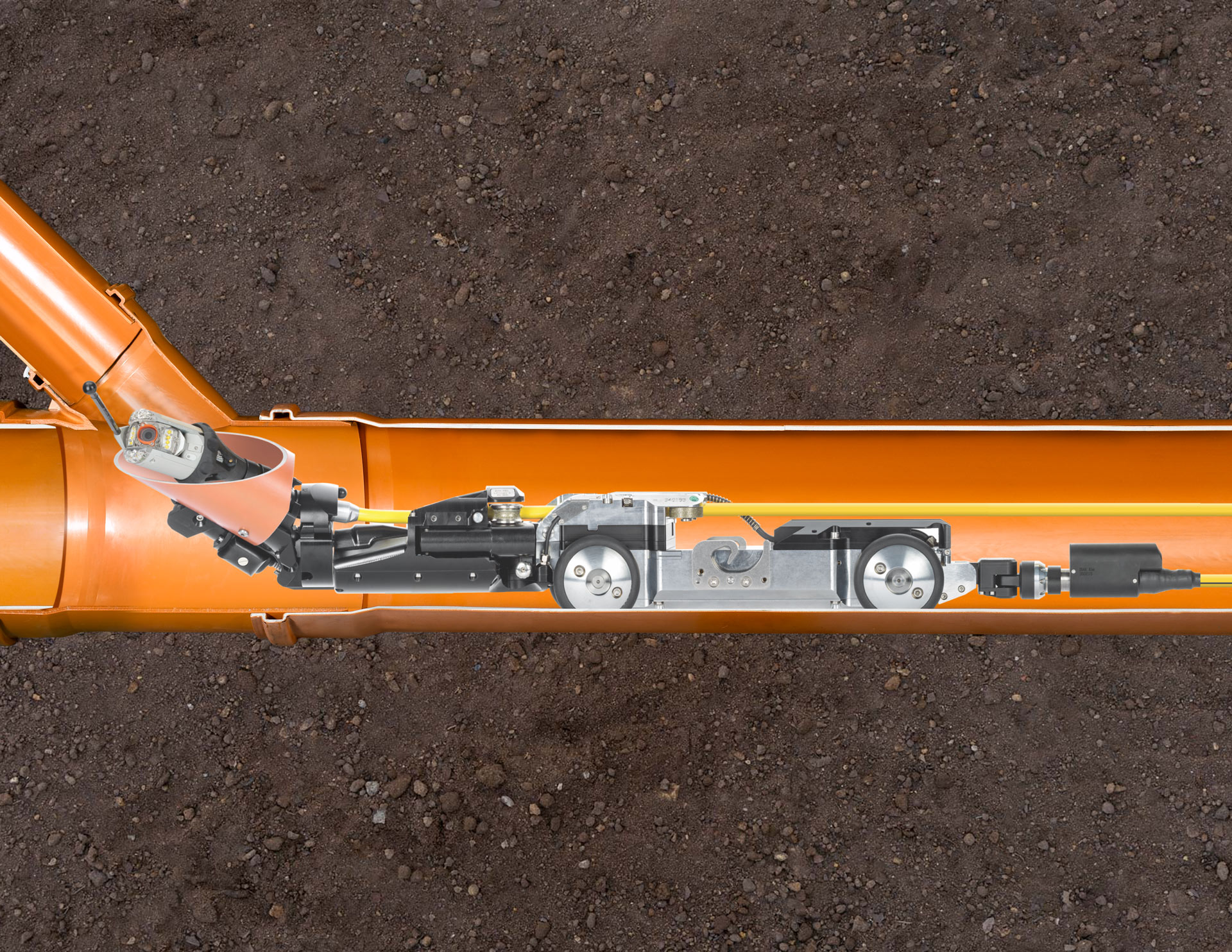
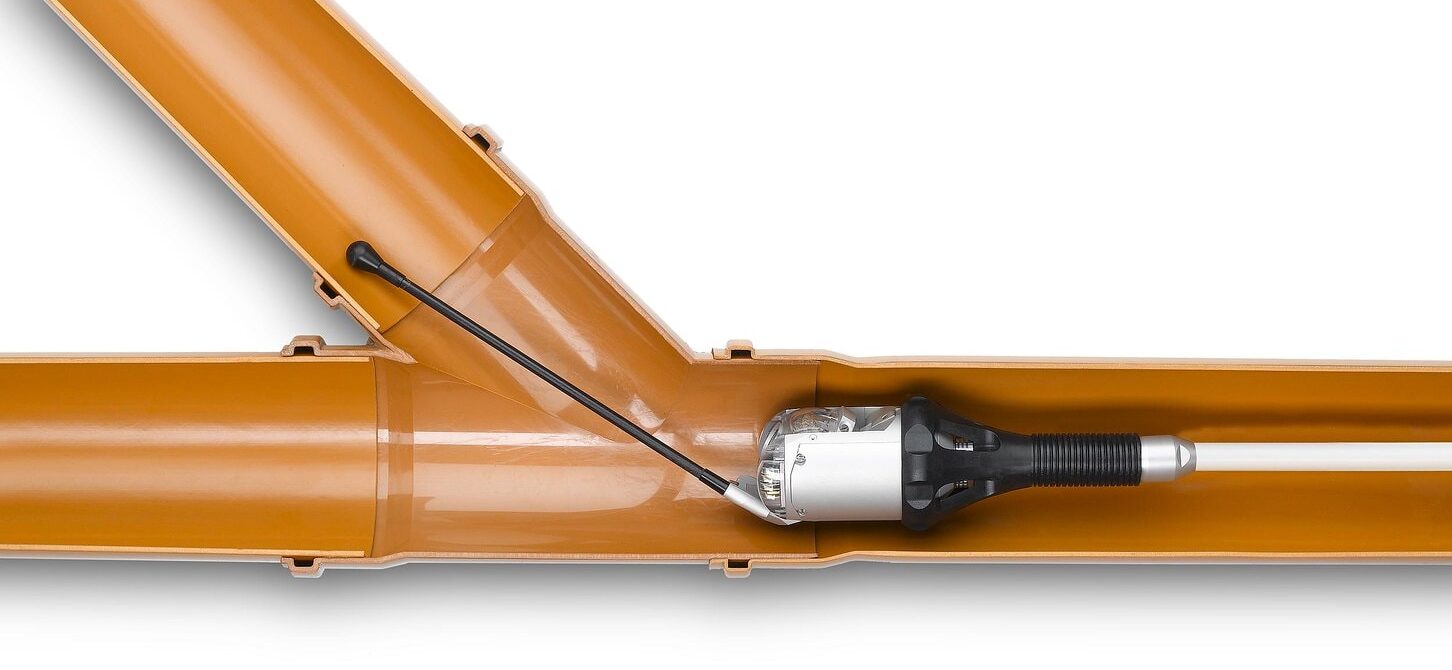
Lateral launch technology is a method of inspecting sewer laterals from inside the mainline — without needing a separate access point. It uses a two-part system:
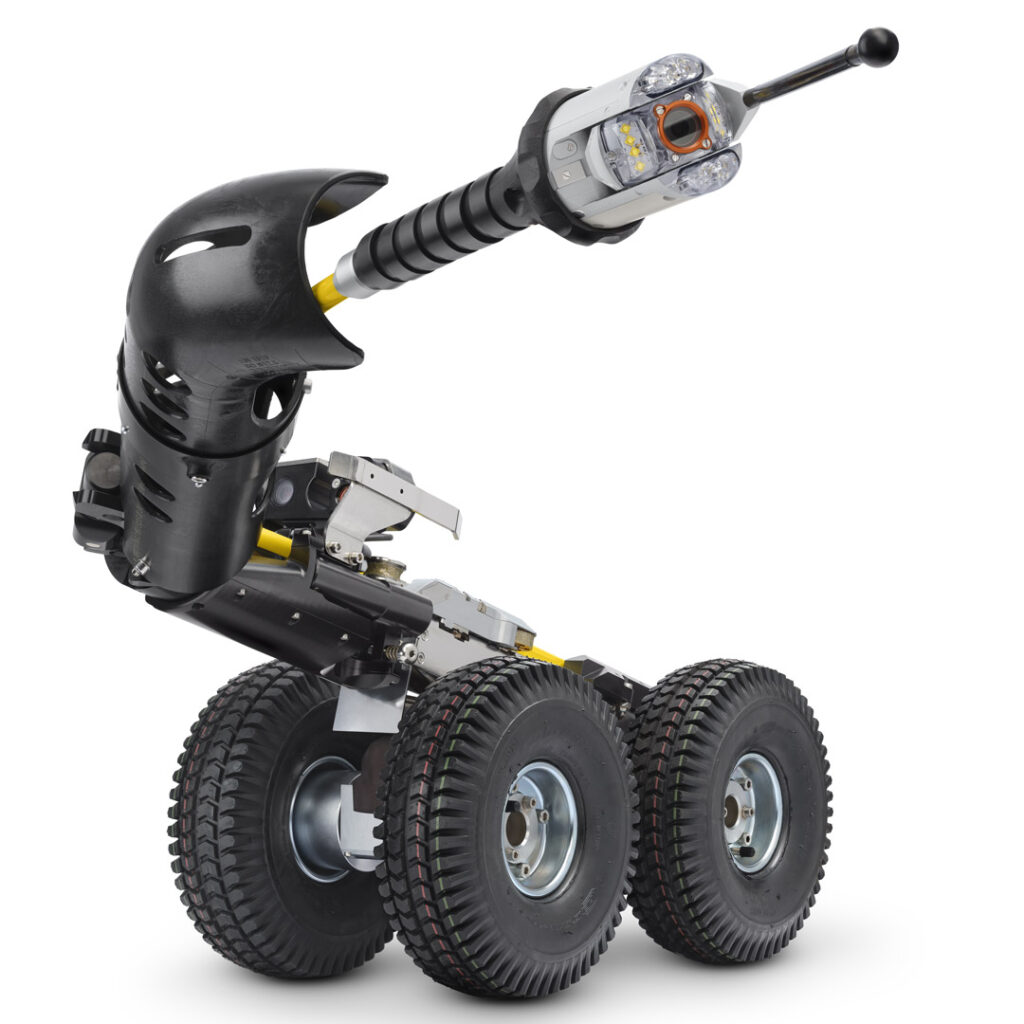
- A mainline crawler that travels through the host pipe and positions itself at each lateral connection.
- A push camera (the “satellite” unit) that deploys directly from the crawler and travels up into the lateral pipe on demand.
The push camera is purpose-built for small-diameter pipe — capable of navigating laterals as small as three inches in diameter and reaching up to 120 feet in length. It’s typically equipped with high-definition video, pan-and-tilt capability, and distance tracking. The operator controls everything from the truck, watching live footage as the camera moves through the pipe.
The result is a complete lateral inspection conducted as part of the same operation as the mainline run. No second crew, no excavation, no separate setup needed.
How Does It Work in Practice?
During a typical mainline inspection, the crawler identifies each lateral connection as it travels through the pipe. When the operator is ready to inspect a lateral, the push camera deploys through the lateral opening, travels up the pipe, and transmits live video back through the crawler to the surface.
Any defects observed — cracks, root intrusion, joint offsets, debris, or more serious hazards like cross bores — are recorded and coded using standardized assessment frameworks (LACP for laterals, PACP for mainlines). This standardized data is immediately usable for rehabilitation planning, risk scoring, and budget decisions.
What To Look For in a Lateral Launch System
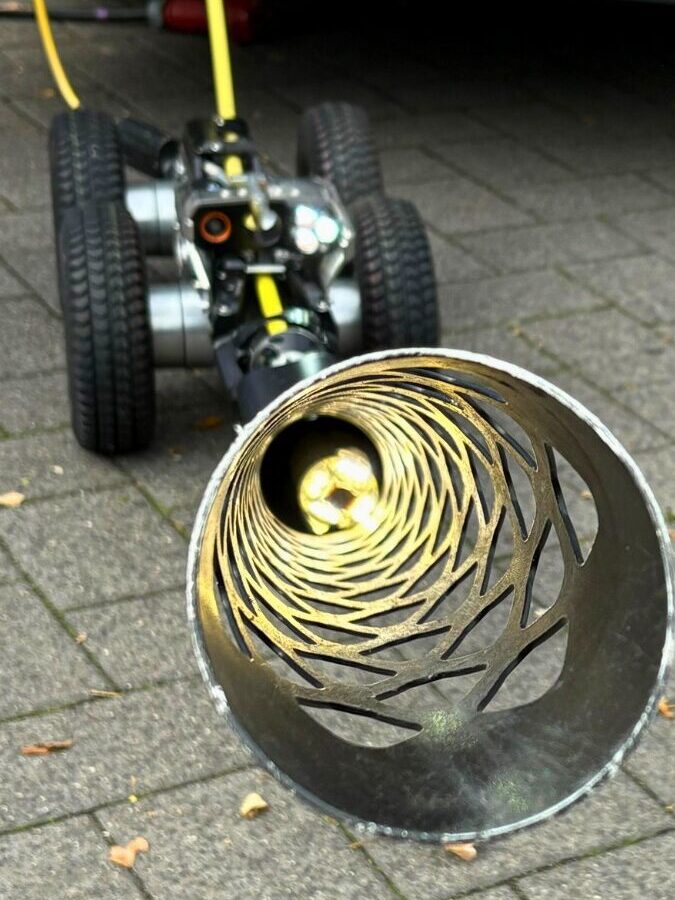
One example of this technology in action is the LISY® 4 fom IBAK, a lateral launch attachment that connects to your existing mainline crawler, so you can inspect laterals and mainline with one single unit. It’s designed for mainline diameters from 6 to 78 inches with the ability to inspect laterals as small as 3 inches in diameter. Equipped with HD video and a remote electric lift, the LISY® 4 deploys the satellite camera precisely at each lateral connection — giving crews a clear, controlled inspection without ever leaving the truck. Systems like this represent what modern lateral launch capability looks like in practice: reliable, flexible across a wide range of pipe sizes, and built for the efficiency demands of large-scale assessment programs.
Why Is Lateral Launch Better Than Traditional Methods?
Before lateral launch technology existed, inspecting a lateral typically required physical access. Either through a cleanout, by excavating to expose the pipe, or through confined space entry. Each of those approaches comes with real costs and real risks: additional labor, traffic disruption, safety hazards, and extended project timelines.
Lateral launch inspection addresses all of these challenges:
- One continuous operation. The mainline run and lateral inspection happen together, cutting mobilization time significantly.
- No excavation required. The camera enters through the existing lateral connection in the main, so there’s no digging and no surface disruption.
- Reduced safety risk. The operator works from the truck. No confined space entry, no traffic exposure.
- Scalable across large programs. For programs covering hundreds or thousands of laterals, the time and labor savings add up quickly.
What Can Lateral Launch Detect?
Lateral launch cameras can identify a wide range of conditions that affect system performance and public safety:
- Inflow and infiltration (I/I) sources. Cracked pipes, failed joints, and root intrusion allow groundwater and stormwater to enter the sewer system, driving up treatment costs and contributing to capacity problems.
- Structural defects. Offset joints, collapsed pipe sections, and deteriorating materials that indicate a lateral is nearing the end of its service life.
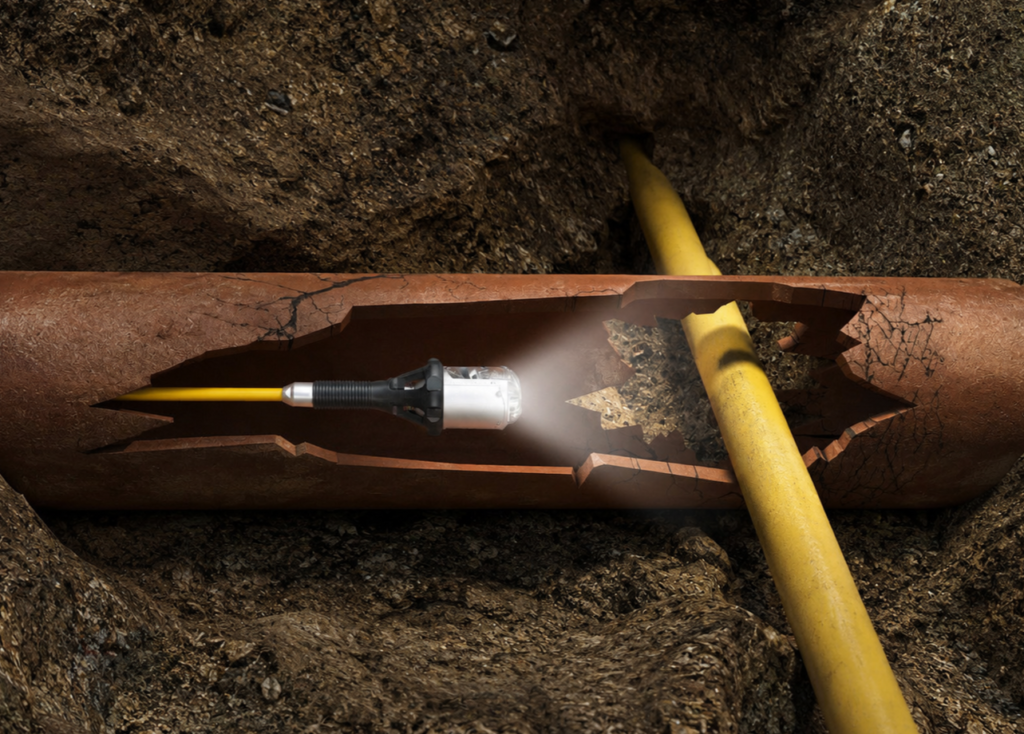
- Cross bores. A cross bore occurs when a utility line — gas, electric, or other — is unknowingly installed through a sewer lateral during trenchless construction. If a blockage forms at that point and a plumber attempts to clear it, the rotating cable can sever the utility line with potentially catastrophic consequences. Lateral launch inspection is one of the most reliable methods for identifying cross bores before they become emergencies.
Who Uses Lateral Launch Technology?
Lateral launch inspection is used by municipalities conducting comprehensive collection system assessments, engineering firms managing rehabilitation programs, and inspection contractors performing condition surveys on behalf of utilities. It’s especially valuable in communities with aging infrastructure, areas experiencing I/I issues, and anywhere trenchless utility work has been performed near existing sewer lines.
The Bottom Line
Sewer laterals make up a significant portion of any collection system, yet they’ve historically been the hardest part to assess. Lateral launch technology closes that gap by enabling thorough, standardized lateral inspection as part of a single, efficient mainline operation.
The data it produces — coded to industry standards and ready for integration with sewer analysis and GIS mapping software — gives municipalities and engineers the complete network picture they need to make smarter rehabilitation decisions.